

Medically reviewed by Dr. Sachin Shah - 28-Oct-2026
Spinal Stenosis Treatment
Serving Somerset, Parsippany, Clifton, Toms River, Nutley, West New York, Hazlet, NJ.
Spinal stenosis occurs when the spaces within the spine narrow, potentially placing pressure on the spinal cord or nearby nerves. This condition can cause back or neck pain, numbness, tingling, and difficulty walking or standing for extended periods. Symptoms may develop gradually and become more noticeable as the condition progresses.
At Omega Joint & Spine Centers, we provide personalized evaluation and pain management to help patients understand their spinal condition and explore appropriate treatment options. Our approach focuses on identifying potential sources of discomfort and helping patients maintain mobility and daily function.
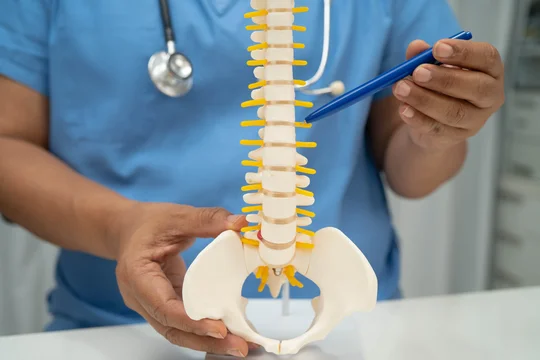
What Causes Spinal Stenosis?
Spinal stenosis commonly develops as age-related changes affect the spine. Arthritis, thickened ligaments, bone spurs, and bulging discs may contribute to narrowing around the spinal cord or nerves. Although it most often affects the lumbar spine (lower back), it can also occur in the cervical spine (neck).
The location of the narrowing influences the symptoms a person experiences. Narrowing in the lower back may affect the nerves traveling into the legs, while cervical spinal stenosis can place pressure on the spinal cord or nerves supplying the arms and hands. A clinical evaluation can help determine whether these changes are contributing to your symptoms.
Common Symptoms of Spinal Stenosis
Symptoms depend on the location and severity of the narrowing. You may experience neck or back pain, numbness, tingling, or weakness in your arms or legs. Some people also experience balance difficulties or changes in walking ability, particularly when spinal cord compression is involved.
Lumbar spinal stenosis may cause leg discomfort, cramping, heaviness, or weakness during standing and walking. Symptoms can affect one or both legs and may gradually limit how far you can walk comfortably.
If these symptoms persist or interfere with daily activities, a medical evaluation can help determine whether spinal stenosis may be contributing to your discomfort.
Why Walking Hurts and Sitting Helps
A car accident can cause or aggravate a herniated disc, leading to neck or back pain, numbness, tingling, or radiating pain. Omega Joint & Spine Centers accepts New Jersey Personal Injury Protection (PIP) insurance and welcomes attorney referrals to help coordinate medical evaluations, treatment, and injury documentation.
One characteristic symptom of lumbar spinal stenosis is discomfort that increases during walking or prolonged standing and improves when sitting or leaning forward. This pattern is often associated with a condition called neurogenic claudication.
When you stand upright or extend your lower back, the space available for certain spinal nerves may become smaller. Sitting or bending forward can increase that space in some people, reducing pressure on the affected nerves and easing symptoms temporarily.
You may notice that walking uphill, leaning on a shopping cart, or sitting down provides relief. However, not everyone with spinal stenosis experiences this pattern, and similar symptoms can occur with other conditions, including circulation problems. A proper evaluation is important to identify the cause and guide treatment.
Spinal Stenosis Treatment at Omega Joint & Spine Centers
Treatment depends on your symptoms, overall health, activity level, and the extent of nerve involvement. After evaluating your condition, your provider may recommend conservative pain management, rehabilitation exercises, activity modification, or medication management. The goal is to reduce discomfort, preserve mobility, and help you participate in everyday activities.
Depending on the source and severity of your pain, additional interventions may be considered.
Epidural injections: Epidural injections and other spine interventions may be considered for selected patients with pain related to irritated or compressed spinal nerves. These injections deliver medication into the epidural space to help reduce inflammation and manage symptoms. The degree and duration of relief vary.
Radiofrequency (RF) ablation: Pain management services may include targeted procedures such as radiofrequency ablation when appropriate. This treatment uses heat generated by radio waves to interrupt pain signals from specific nerves. It is generally considered for selected sources of spinal pain, such as facet joint pain, rather than to reverse the narrowing caused by spinal stenosis.
Spinal cord stimulation: For certain patients with persistent pain that has not responded adequately to other treatments, a spinal cord stimulator may be considered. This device delivers electrical impulses that modify pain signals. A specialist can determine whether this option is appropriate based on your medical history, symptoms, and previous treatments.
These interventions are not necessary or suitable for everyone with spinal stenosis. Your provider can discuss the potential benefits, limitations, and risks of available options. More severe cases involving significant nerve compression may require evaluation by a spine surgeon.
When Should You Seek Medical Attention?
Schedule an evaluation if neck or back pain, leg discomfort, numbness, or weakness affects your walking or daily activities. Seek prompt medical attention for new or worsening weakness, balance difficulties, or changes in coordination.
New loss of bladder or bowel control, numbness around the groin or saddle area, or rapidly progressing weakness requires emergency medical care, as these symptoms may indicate serious nerve compression.
Personalized Care for Spinal Stenosis
Spinal stenosis can affect your comfort, mobility, and independence, particularly when walking or standing becomes difficult. Omega Joint & Spine Centers offers personalized spine care and pain management based on your individual needs and clinical findings.
Call (732) 234-9750 or request an appointment to discuss your symptoms and explore appropriate spinal stenosis treatment options.
Insurance & Coverage
Omega Joint & Spine Centers accepts Medicare and most major medical plans with out-of-network benefits, including PPO and POS plans. Before your first visit, our team checks your benefits and gives you a cost estimate, so you know what to expect. We do not accept Medicaid or NJ FamilyCare.
Check My CoverageMedicare and most major medical plans accepted. Free benefits check before your visit.
Frequently Asked Questions
-
What are the common symptoms of spinal stenosis?
Common symptoms include neck or lower back pain, numbness, tingling, and weakness in the arms or legs. Lumbar spinal stenosis may also cause leg pain or heaviness that worsens with walking or standing.
-
Why does spinal stenosis pain improve when sitting?
Sitting or leaning forward can increase the space available for nerves in the lower spine, temporarily relieving pressure. This may reduce leg pain, heaviness, or discomfort associated with walking.
-
What treatments are available for spinal stenosis?
Treatment options may include conservative pain management, rehabilitation exercises, activity modification, epidural injections, and other targeted procedures when appropriate. Radiofrequency ablation or spinal cord stimulation may be considered for selected patients depending on the source of pain and response to previous treatments.
-
Can spinal stenosis be treated without surgery?
Many people manage spinal stenosis symptoms with nonsurgical treatments, depending on the severity of the condition. A medical evaluation can help determine the most appropriate approach. Severe nerve compression or worsening neurological symptoms may require surgical assessment.