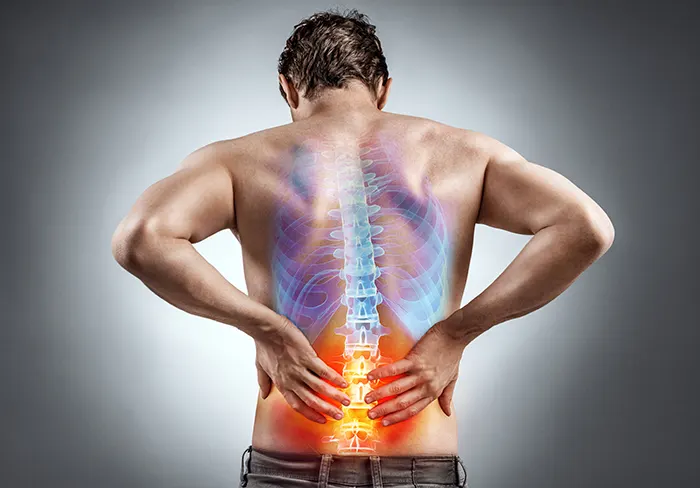

How to Tell If Your Back Pain Is Caused by a Pinched Nerve
Back pain can have many causes, but when a nerve becomes compressed or irritated in the spine, the symptoms may feel different from typical muscle or joint pain. Knowing the signs of a pinched nerve in the back can help you understand when it may be time to seek professional evaluation.
Signs Your Back Pain May Involve a Pinched Nerve
- Sharp, shooting, or burning pain that travels from your back into your buttock, hip, or leg
- Tingling or “pins and needles” sensations in the back, buttocks, or legs
- Numbness in part of your leg or foot
- Muscle weakness that affects your leg or foot
- Pain that gets worse with sitting, bending, coughing, or sneezing
- Symptoms that follow a specific path down an arm or leg
- Back pain accompanied by changes in sensation rather than soreness alone
What Causes a Pinched Nerve?
A pinched nerve occurs when surrounding tissues place pressure or irritation on a spinal nerve. This can happen because of a herniated or bulging disc, bone spurs, spinal narrowing, or changes associated with the spine's normal aging process. The resulting pressure can cause pain or other nerve-related symptoms that travel away from the original area.
One common example is sciatica, which occurs when nerves that contribute to the sciatic nerve are irritated or compressed in the lower back. Instead of staying in the back, pain may travel through the buttocks and down one leg.
When Should You Get Your Back Pain Evaluated?
Not every case of back pain is caused by a pinched nerve, and similar symptoms can have different causes. If pain, numbness, tingling, or weakness persists or interferes with your daily activities, a professional evaluation can help identify what may be contributing to your symptoms.
At Omega Joint & Spine Centers, we evaluate back and spine-related conditions to help determine the potential source of your pain and develop an appropriate treatment approach. If your back pain is accompanied by significant weakness, loss of bladder or bowel control, or numbness around the groin or inner thighs, seek urgent medical attention.