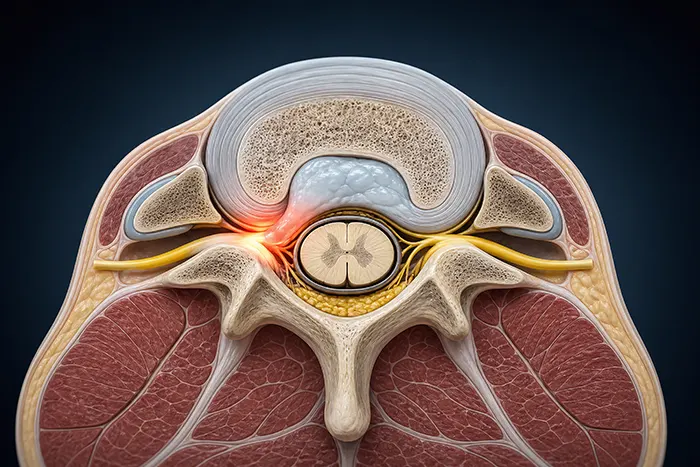
How Chiropractors Evaluate Patients With Radiculopathy
Radiculopathy occurs when a spinal nerve becomes irritated or compressed, potentially causing pain, numbness, tingling, or weakness that travels into an arm or leg. A chiropractic evaluation can help identify possible factors contributing to these symptoms.
How Chiropractors Evaluate Radiculopathy
A chiropractic evaluation may include:
- Reviewing your symptoms and health history
- Checking spinal movement and range of motion
- Testing muscle strength, reflexes, and sensation
- Evaluating posture and movement
- Examining areas of pain or tenderness
- Considering possible causes of nerve irritation
- Determining whether additional testing or referral is needed
What to Expect During an Evaluation
The process usually begins with questions about when your symptoms started, where they occur, and which activities or positions make them better or worse. Your chiropractor may also ask about previous injuries and physical activities.
Next, the chiropractor may examine your spine and assess its movement. Neurological tests can check muscle strength, reflexes, and sensation to look for signs of possible nerve involvement.
The evaluation may also consider conditions such as disc problems or degenerative changes that can contribute to nerve irritation. If findings suggest that additional testing or medical care is necessary, a referral may be recommended. Once the evaluation is complete, your chiropractor can explain the findings and discuss whether chiropractic care may be appropriate for your condition.
When Should You Seek an Evaluation?
If neck or back pain travels into your arm or leg, particularly when accompanied by numbness, tingling, or weakness, consider having your symptoms professionally evaluated. Prompt attention is especially important when neurological symptoms are severe or worsening.
Omega Joint & Spine Centers can help patients understand potential causes of radiating pain and determine appropriate next steps for their spinal health.