
5 Early Signs of Chronic Venous Insufficiency to Watch For
Chronic venous insufficiency (CVI) is a common condition that occurs when the veins in the legs have difficulty returning blood to the heart. When the valves inside the veins do not work properly, blood can pool in the lower legs, potentially causing discomfort, swelling, and changes to the skin.
Recognizing the early signs of chronic venous insufficiency can help you seek appropriate care before symptoms become more noticeable or lead to complications. Here are five symptoms to watch for.
1. Leg Swelling
Swelling around the ankles or lower legs is one of the common early signs of venous insufficiency. It may become more noticeable after standing or sitting for extended periods and can improve when the legs are elevated or after a night's rest.
2. Heavy or Aching Legs
Your legs may feel unusually heavy, tired, or achy, especially toward the end of the day. This discomfort can become more noticeable after prolonged standing and may improve when you walk, rest, or elevate your legs.
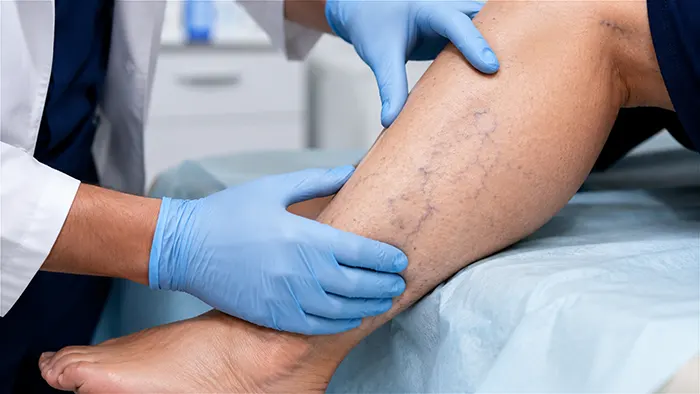
3. Visible Varicose or Spider Veins
Swollen, twisted veins or small spider veins can sometimes be associated with problems with venous circulation. While these visible veins are not always a sign of CVI, changes in the appearance of your leg veins may be worth discussing with a healthcare professional.
4. Skin Changes Around the Ankles
As venous insufficiency progresses, you may notice changes in the skin around your lower legs and ankles. These can include discoloration, dryness, itching, or a thickened appearance. Persistent skin changes should be evaluated rather than ignored.
5. Leg Discomfort That Gets Worse Throughout the Day
Some people notice increasing aching, throbbing, tightness, or discomfort in their legs as the day goes on. Symptoms may become more pronounced after sitting or standing for long periods and may ease with movement or elevation.
Don't Ignore Changes in Your Leg Health
Occasional leg fatigue or swelling can have many causes, but persistent or worsening symptoms deserve attention. Chronic venous insufficiency treatment can vary depending on the severity of the condition and may include lifestyle changes, compression therapy, or medical procedures when appropriate.
If you are experiencing ongoing swelling, leg pain, visible vein changes, or skin changes, talk with a qualified healthcare professional about your symptoms. Early evaluation can help identify the underlying cause and determine whether treatment is needed.
Omega Joint & Spine Center is committed to helping patients better understand their health and find appropriate care for conditions affecting their mobility and quality of life.